Development-First Parenting
Supporting development and raising regulated kids starts by getting out of survival mode.
Helping overwhelmed parents raise calmer, more capable, confident kids through practical guidance and grace-filled encouragement grounded in how children grow, connect, regulate, and learn.
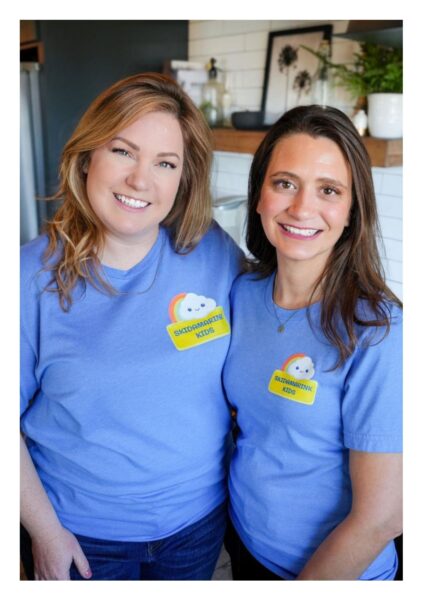
Hi, We're Ali and Kendra
We’re pediatric therapists, moms, and the founders of Skidamarink Kids
After years of working with children and families and navigating our own parenting challenges, we noticed something. Many parents are overwhelmed not because they are failing, but because modern parenting advice often skips the developmental and nervous system foundations children need first.
We help families better understand how children grow, connect, regulate, communicate, and learn. Because when parents understand that, parenting starts to feel calmer, more connected, and a whole lot less overwhelming.
Everyone talks about early intervention. We believe in building strong foundations from the beginning.
Development Happens in a Sequence
Parenting from peace instead of panic - Grace over perfection - Building Strong foundations from the beginning
Too often, we focus on performance before foundations. We push advanced skills before a child’s brain and nervous system have built what they need for learning, self-regulation, communication, and focus.
Children thrive when development happens in order:
Connection before communication
Regulation before learning
Movement before mastery
Many families today are living in chronic stress and survival mode, which makes it harder to stay connected, manage emotions, and respond with intention. Development-First parenting helps you support the foundations your child needs to grow, connect, regulate, and learn well.
Whether you’re feeding a baby, helping a toddler through a meltdown, or setting a boundary, every interaction is a chance to support healthy development. The goal isn’t compliance or the next milestone. It’s the foundation that helps children thrive over time.
This isn’t about perfect parenting or passive parenting. Children still need boundaries, leadership, and guidance. But children learn regulation through regulated relationships, and small, intentional shifts can change the feel of your home over time.
Our mission is simple: we want to help children experience childhood differently. We’re here for all families, and for those who share our faith, we offer encouragement along the way, because faith has been a big part of our own transformation.
Practical Support for Real-Life Parenting
Emotional Regulation & Meltdowns Support for big emotions, nervous system regulation, co-regulation, transitions, and calmer responses.
Development-First Parenting Simple ways to support healthy developmental foundations through movement, connection, sensory experiences, and play.
Feeding & Communication Practical support for infant feeding, picky eating, communication development, language growth, and mealtime connection.
Sensory & Nervous System Support Strategies that help children feel calmer, safer, more organized, and better able to learn and engage.
Faith & Encouragement for Moms Grace-filled encouragement for overwhelmed parents learning to move from fear and pressure toward peace and intentionality.
Parenting Was Never Meant to Feel Like Survival Mode
We believe children flourish in emotionally safe, connected, grace-filled homes, and parents do too. Faith helps us parent with more peace and less fear, and it reminds us we were never meant to carry the overwhelm alone.
Our hope is to help families build calmer, more connected homes rooted in regulation, intention, and grace.
Start Where You Are
Support for every stage of your journey:
👉 Just getting started?
Explore free guides to understand your child’s development and learn what’s actually causing your concerns. Explore practical development-first parenting strategies, nervous system support, feeding tips, emotional regulation tools, sensory activities, and faith-based encouragement for everyday family life.
👉 Need daily support?
Use the app to stay consistent at home. Tantrum Tamer App: Daily support for routines, big feelings, and peaceful family life.
👉 Ready to Get your Family Out Of Survival Mode?
Out of Survival Mode, Raising Regulated Kids in a Dysregulated World in depth self-paced course using a development-first framework to getting your family unstuck.
You Are Not Failing. There Is Another Way Forward.
Small intentional shifts matter more than you know.
When families better understand how children grow, connect, regulate, and learn, parenting can begin to feel calmer, more connected, and less overwhelming.
We’re so glad you’re here.
What Parents Are Saying:
Certifications and Accomplishments
Trusted by Families and Caregivers
35+ Combined Years of Pediatric Experience
We support child development with confidence
Helping children grow and thrive since 2004
Kendra Worley



Master in Occupational Therapy 2001
Licensed in Texas since 2002
Keynote Speaker 2025
Tantrum Tamer App Creator 2024/2025
Alison Ellison



American Speech-Language-Hearing Association Certification since 2012
VitalStim® Therapy and Beyond: DINES
Specialty Certificate Program since 2019
Certified EI Provider since 2025
A Note About Our Content
We’re here to empower you with general information about child development and activities that may benefit your child. Our goal is to help you support your child’s growth proactively with knowledge and practical strategies.
However, every child is unique. The information we share is educational and not intended as medical advice or a substitute for professional evaluation. If you have specific concerns about your child’s development, please consult your pediatrician or a qualified healthcare provider. Early intervention tailored to your child’s individual needs is always best.