Motivate Kids to Do Chores: Transform Household Tasks Into Family Adventures That Kids Actually Want to Join
Trying to motivate kids to do chores feels like fighting an uphill battle. You’re not alone in this struggle. But here’s the good news. With the right approach, household tasks can become enjoyable family activities. When you know how to motivate kids to do chores effectively, children develop better work habits. They start taking genuine pride in helping the family.
Learning to motivate kids to do chores benefits everyone in your household. Your children gain important life skills. You get the help you need around the house. The whole family works together as a team. This creates stronger bonds and teaches responsibility in a positive way.
Many parents struggle with this challenge. Children often resist helping with household tasks. They see family chores as punishment or boring work. But when you know how to motivate kids to do chores properly, everything changes. Let me show you strategies that actually work.

Transforming Hearts Through Purpose
Here’s something that completely changed how our family approaches household work. When we help our kids see these tasks as opportunities to serve and love others, it transforms everything.
Instead of just folding laundry because it has to be done, we’re providing clean, comfortable clothes for people we care about. When we prepare meals together, we’re nourishing bodies that God gave us to steward.
This shift in perspective helps kids understand that every small act of service matters to God. Wiping down counters becomes an act of creating a peaceful space for family time. Organizing toys becomes taking care of the gifts we’ve been given. When children see their efforts as ways to show love and gratitude, it naturally becomes easier to motivate kids to do chores.
Teaching our kids that helping at home is actually partnering with God in caring for our family creates such a beautiful foundation. It turns ordinary moments into opportunities for worship and service. This perspective brings joy and meaning to everyday tasks in ways that surprise most families.
Motivate Kids to Do Chores: Making Helper Tasks Fun and Engaging
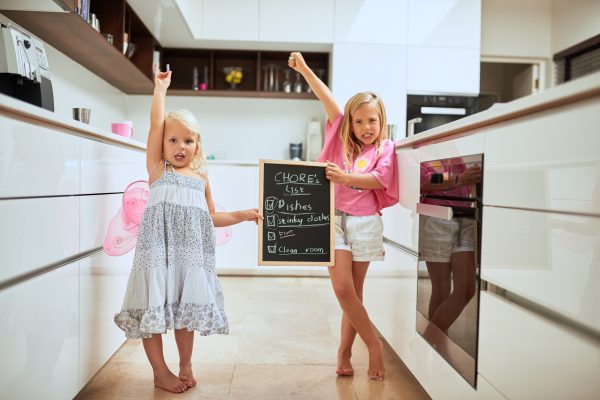
The real secret to motivate kids to do chores lies in making tasks feel enjoyable. This isn’t about punishment. Start by changing how you talk about household responsibilities. Instead of using chores, try calling them Little Helper Tasks. This simple language shift creates a different mindset for children.
You can make this time genuinely fun by playing upbeat music. Music makes work feel lighter and more energetic. Create games out of routine tasks. Set timers and challenge kids to beat their previous cleaning times. This turns everyday activities into exciting competitions. Movement based activities combine physical activity with helpful tasks around the house.
Offering choices gives children control over their responsibilities. This naturally increases their willingness to participate. When families work together, tasks stop being lonely activities. They become social time instead. Children feel supported and connected during work time.
Why We Say Little Helper Tasks Instead of Chores
Words really matter when you want to motivate kids to do chores. Chores sounds like punishment to most children. Little Helper Tasks sounds completely different. It’s incredible how this simple word switch changes how kids think about helping out.
Little Helper Tasks create the idea that everyone in the family can contribute something. Even tiny contributions matter. When your child sees themselves as a little helper, they feel valued and important. This approach focuses on working together as a team. It’s not about forcing kids to do things they don’t want to do.
Every person in your family has something valuable to offer. Your toddler putting away one toy matters. Your school age kid setting the table makes a difference. Each Little Helper Task makes your family stronger. It builds character in ways that might surprise you.
This positive thinking helps kids understand that helping isn’t about perfection. It’s about caring for each other and working as a team. When kids feel genuinely helpful, they actually want to contribute more. This makes it much easier to motivate kids to do chores.
Creating Effective Reward Systems
Immediate recognition works much better than delayed rewards for most children. Offer high fives and verbal praise right after task completion. This creates positive associations that really stick. Sticker charts provide visual progress tracking that kids love. Photo recognition creates lasting memories of their accomplishments.
Consider these immediate reward ideas:
- Enthusiastic verbal praise that focuses on effort rather than just results
- Special privileges like choosing the next family movie night
- Picking what’s for dinner as a reward
- Extra playtime or screen time as a natural consequence of helpfulness
- Letting them choose the weekend activity or family outing
- Mini family celebrations when tasks are completed well.
Some families have great success with point systems. Children can spend these points on special activities.
Chore Reward App created by Skidamarink Kids
Want a motivating chore and reward system in your pocket?
The Tantrum Tamer App has a customizable Helper Hero tool and Shop to track and reward your child’s independence—from simple self-care tasks like brushing teeth and getting dressed to age-appropriate chores like cleaning their room and helping with dinner.
The best part? Rewards don’t have to cost a thing!
Customize your shop with meaningful rewards like extra one-on-one time with you, choosing dinner, or extra park time. Your child earns Kid Koins for completing tasks independently, then “shops” for rewards they’ve earned. This teaches responsibility, delayed gratification, and independence—while building the neurological pathways for self-regulation.
But that’s not all! Tantrum Tamer is your complete parent support system with:
- Voice prompts that take the guesswork out of what to say in tough moments
- Daily scheduler to meet your child’s needs proactively
- Transition tools that make daily routines smooth
- Breathing animations and calming corner designer
- Tools to playfully correct and positively praise
Transform chaos into calm. Build the neurological foundation for happy, capable, self-regulated kids.
Learn More & Download Today!

Teaching Strategies That Build Success
Start by showing the complete task from beginning to end. Your child needs to understand the full picture. Break complex Little Helper Tasks into manageable steps. This prevents overwhelming feelings. Demonstrate each step clearly. Practice together until they feel confident. Provide guidance while gradually allowing increasing independence as their skills grow.
Visual supports make instruction much more effective for children. Picture sequences help them remember task steps independently. You don’t need to be right there to guide them every time. Task cards provide quick reference guides for forgetful moments.
Give specific feedback about what your children did well. Instead of simply saying good job, try something like I noticed how carefully you folded those towels. This specific praise builds confidence. It also helps children understand what success looks like. This approach helps motivate kids to do chores consistently.
Troubleshooting Common Challenges
Resistance often happens when children feel overwhelmed or bored with their tasks. The key to motivate kids to do chores during tough moments is making Little Helper Tasks feel playful. Offer choices whenever you can. Work alongside children initially. This provides the support and connection they need to feel successful.
Keep individual tasks short enough to match your children’s attention spans. Attention spans vary depending on age. Celebrate effort rather than demanding perfection. Perfection can feel really discouraging to young learners. Natural consequences work much better than punishments when tasks don’t get completed properly.
Quality issues are completely normal during the learning process. Don’t let yourself get frustrated. Focus on teaching specific skills rather than criticizing results. Criticism can shut down their willingness to try again. Show steps patiently. Practice together regularly. Make corrections feel like genuine learning opportunities instead of failures.
When motivation starts to fade, try these strategies to motivate kids to do chores:
- Create fresh new challenges or rotate responsibilities
- Track progress visually so kids can see how far they’ve come
- Make sure family responsibility feels fair to everyone
- Celebrate every single success along the way
Remember that consistency beats perfection every single time.
Building Long-Term Motivation
Weekly rewards and special activities help maintain motivation over time. They don’t create dependency when used correctly. Gradually increase responsibilities as children demonstrate readiness for new challenges. New privileges tied to growing independence create natural motivation from within.
Family celebrations for achieving Little Helper Tasks goals build positive associations. Children connect contributing to the household with good feelings. Achievement photos and progress charts provide visual reminders of success. Children can look back on these with pride. Skill badges or certificates acknowledge their growing capabilities in tangible ways.
Consistency matters far more than perfection in this process. Start small with just one new task at a time. This avoids overwhelming anyone. Stay patient during learning curves. Keep expectations realistic for each child’s development level. This approach helps motivate kids to do chores long term.
Pro Tips for Success
Focus on the process and effort rather than perfect results when you work to motivate kids to do chores. The real goal is building confidence and capability over time. You’re not trying to have a spotless house immediately. Make tasks feel important by explaining how they help the whole family function better together.
Stay positive and encouraging even during difficult moments. Every parent faces these challenges. Allow for natural learning curves. Celebrate small improvements along the way. Remember that teaching life skills takes time and patience from everyone involved.
The Beautiful Result
With these strategies, kids can learn to see chores as genuine opportunities. They contribute meaningfully to their families while building essential life skills. Learning to motivate kids to do chores takes practice. But the results benefit your whole family for years to come.
When you consistently apply these methods to motivate kids to do chores, children develop responsibility naturally. They feel proud of their contributions. Your household runs more smoothly. Everyone wins when you know how to motivate kids to do chores effectively.
Want to Learn More About How to Get Your Child Complete "Little Helper" Activities?
Check out my companion blogs Age-Appropriate Chores for Kids: Building Life Skills Early, and How to Teach Kids to Clean: Simple Steps for Success
Want to Learn How to Build In Structure and Imporve Cooperation?
– Kendra
Note to Parents
This blog is for informational purposes and not medical advice. My desire is to help you do what you can to support your child’s development in a natural way. Please reach out to your child’s pediatrician if you have developmental concerns.