You just saw another mom post a gorgeous sensory bin on Instagram. Rice dyed perfectly, themed toys arranged just so. Meanwhile, you’re standing in your kitchen wondering: where do I even start? Do I need special supplies? Will my kid actually play with it, or will it end up as a mess I have to clean?
Learning how to make sensory bins doesn’t have to be complicated. As a pediatric occupational therapist with over 20 years of experience, I’m going to show you exactly how to create sensory bins that your child will love without the Pinterest pressure or expensive supplies.
What Are Sensory Bins and Why Make Them?
Before we dive into how to make sensory bins, let’s talk about what they actually are. A sensory bin is simply a container filled with materials that engage your child’s senses. That’s it. No fancy equipment needed.
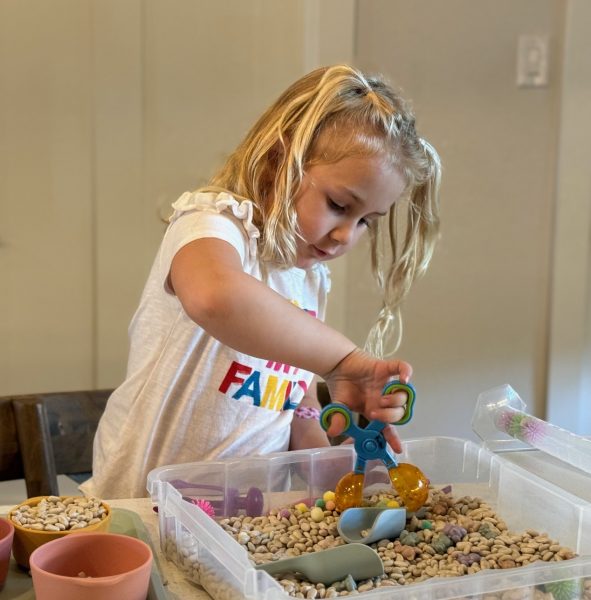
Sensory bins typically include a base material (like rice, beans, or water), tools for exploration (scoops, tongs, measuring cups), and sometimes themed elements (toys, natural items, or seasonal objects). The goal is hands-on play that stimulates the senses while building important developmental skills.
When you make sensory bins for your child, you’re supporting their sensory processing, fine motor development, cognitive growth, and emotional regulation. Plus, they’re genuinely fun. Kids can spend 20-30 minutes engaged in sensory play, giving you time to cook dinner or just breathe for a minute.
Want to understand the science behind why these work? Check out Why Sensory Toys Are Important to learn how sensory tools support your child’s brain development.
Step 1: Choose Your Container
The first step in learning how to make sensory bins is picking the right container. You don’t need anything special. Chances are you already have something that will work.
Good options:
- Large plastic storage bins (Sterilite 25-quart works great)
- Underbed storage boxes
- Large food storage containers from dollar stores
- Shallow baking dishes
- Small shoe-size containers for individual play
- Kiddie pools for outdoor play
Size guide: A good size for one child is approximately 11 x 14 x 3.5 inches. For multiple children, plan for about 12 inches of space per child. Choose containers with lids for easy storage, and clear containers let kids see what’s inside.
Step 2: Select Your Base Material
This is where you really learn how to make sensory bins work for your child. The base material creates the main sensory experience, so choose based on your child’s age, sensory preferences, and your tolerance for mess.
Dry Materials (Easiest to Clean Up):
- Rice is the most popular choice. Cheap, easy to dye with natural food coloring, flows nicely through hands and tools. Great for all ages.
- Dried beans like pinto beans, black beans, or mixed beans. Larger than rice, making them safer for younger kids who might mouth objects.
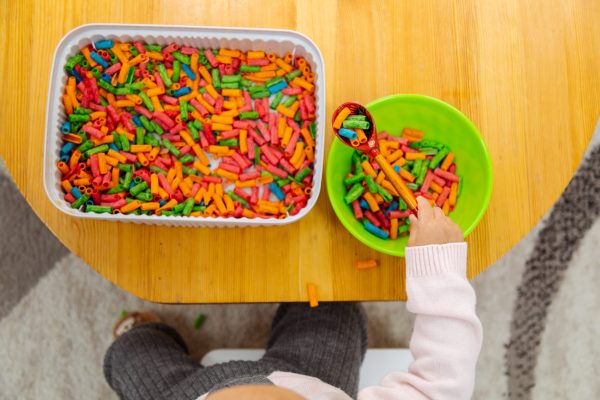
- Dried pasta in various shapes provides different tactile experiences. Can be left natural or dyed with natural food coloring.
- Sand works well if you use play sand (sterilized). Provides great resistance for building hand strength.
- Oats offer gentle texture, safe if eaten, good for sensitive kids.
- Birdseed creates an interesting mix of textures and sizes.
- Coffee grounds provide strong sensory experience (smell plus touch). The coffee smell triggers the right brain, which is excellent for calming and impulse control. Used grounds work fine.
Wet Materials (More Sensory Input, More Mess):
- Water is the ultimate sensory base. Add natural food coloring, bubbles, or ice for variety.
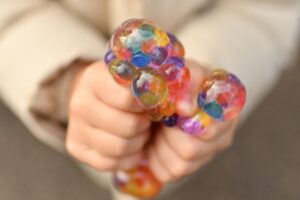
- Water beads are slippery, bouncy, fascinating. Require supervision with younger kids.
- Cooked pasta offers slimy, squishy fun. Can be dyed with natural food coloring.
- Shaving cream (natural or sensitive skin formula) is fluffy and moldable. Whipped cream is an edible alternative that washes off easily.
- Kinetic sand holds shape but stays moldable. More expensive but less messy than regular sand.
- Cloud dough comes from mixing 8 cups flour with 1 cup oil. Moldable like sand but softer.
Natural Materials:
- Rocks, leaves, sticks, pine cones, flower petals, acorns are free materials from your backyard that provide rich sensory experiences.
Age-appropriate choices:
- Toddlers (18-30 months): Rice, water, oats, large pasta shapes
- Preschoolers (3-5 years): Any dry materials, water with bubbles, kinetic sand
- School age (5-7 years): Complex mixtures, materials that transform (like ice)
Step 3: Add Tools and Objects
Now that you know how to make sensory bins with good base materials, let’s add tools. These encourage fine motor development and make play more engaging.
Essential tools:
- Measuring cups and spoons (different sizes)
- Small bowls and containers
- Scoops (ice cream scoops, sand shovels)
- Tongs and tweezers (builds hand strength)
- Funnels (cause-and-effect learning)
- Sifters or strainers (sorting experience)
- Sponges (excellent for water play and squeezing practice)
Fun additions:
- Small toys (animals, vehicles, figurines)
- Craft pom-poms (various sizes and colors)
- Buttons or large beads
- Shells or smooth stones
- Feathers
- Plastic eggs (great for hiding treasures)
- Wooden letters from ABC puzzles
Safety note: Always consider choking hazards. For children who still mouth objects, choose larger items and provide close supervision.
Step 4: Create a Theme (Optional but Fun)
One of the best parts of creating sensory bins is discovering themes that match your child’s interests. Themes aren’t necessary, but they add an element of excitement and can extend learning.
Seasonal Themes:
- Fall: Corn kernels, mini pumpkins, artificial leaves, cinnamon sticks, acorns
- Winter: White rice or cotton balls “snow,” evergreen sprigs, pinecones, red and green pom-poms, small holiday toys
- Spring: Green rice “grass,” plastic eggs, flower petals, bunny or chick figures, pastel pom-poms
- Summer: Sand, shells, blue water beads “ocean,” tropical toys, small beach balls
Learning-Based Themes:
- Numbers: Counting bears in rice, dice, number cards to find, small objects to count and sort
- Letters: Alphabet beads buried in beans, wooden letters from ABC puzzles in sand, letter matching cards
- Colors: Color-sorted pom-poms, matching games, items for mixing colors in water
- Shapes: Pattern blocks, shape sorters, shape cards to match
Interest-Based Ideas:
- Construction: Small rocks “dirt,” toy construction vehicles, tools, blocks
- Ocean: Blue rice or water, sea creatures, shells, blue gems “water”
- Farm: Dried corn, farm animal figures, small fences, hay (dried grass)
- Dinosaurs: Green rice “jungle,” dinosaur figures, rocks, small plants
- Space: Black beans “space,” star confetti, planet toys, moon rocks (painted rocks)
- Transportation: Blue water “roads,” small cars and trucks, road signs, bridges
Step 5: Set Up Your Space
Location matters for both engagement and cleanup.
Indoor: Place on a large tablecloth or shower curtain. Use a low table where your child can reach comfortably. Keep cleaning supplies handy (handheld vacuum, dustpan, towels).
Outdoor: Set up on grass or patio for natural mess containment. Use kiddie pools for larger experiences.
Supervision: Position where you can supervise while cooking dinner or working. Many parents use sensory bins in the kitchen during meal prep.
Download the Tantrum Tamer today and have regulation support in your pocket.
Age-Appropriate Ideas for Different Ages
Toddlers (18-30 Months)
Focus on safety and simplicity. This age still explores with mouths, so choose larger materials and provide constant supervision.
Best bases: Rice, water, oatmeal, large pasta shapes
Good tools: Large scoops, sturdy cups, big spoons
Activities: Basic scooping and pouring, transferring between containers, hiding and finding large toys, supervised water play
Safety: Avoid small items, use food-safe materials when possible, never leave alone with water
Preschoolers (3-5 Years)
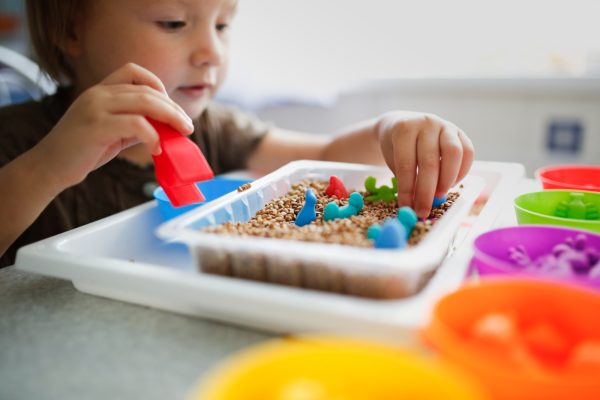
Add complexity and learning opportunities. Preschoolers follow simple rules and enjoy more elaborate play.
Best bases: Colored rice, water with bubbles, kinetic sand, dried beans
Good tools: Tongs, measuring cups, small shovels, tweezers
Activities: Sorting by color/size/type, counting games, color mixing with water and natural food coloring, building with kinetic sand, treasure hunts
Learning: Hide letters to spell their name, practice counting, sort by attributes
School Age (5-7 Years)
Introduce challenges and complex concepts.
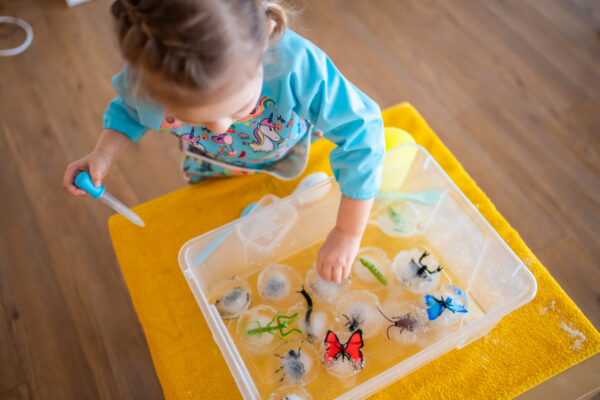
Best bases: Complex mixtures, water experiments, materials that change state
Good tools: Small tongs, droppers, measuring tools, scissors
Activities: Science experiments (sink/float, freeze/melt), pattern creation, letter/number recognition, multi-step treasure hunts, elaborate storytelling
Educational tie-ins: Connect to school topics, practice math concepts, explore cause and effect
Managing the Mess
Let’s be honest. One concern about learning how to make sensory bins is the mess. Here’s how to minimize it:
Before play: Use containers with high sides, set clear boundaries (“Materials stay in the bin”), put down a mat or tablecloth, keep cleanup tools nearby.
During play: Remind kids of rules without nagging, model proper use, redirect throwing calmly, accept some mess as part of learning.
After play: Make cleanup part of the activity, use dustpan and brush for dry materials, let kids help clean (builds responsibility).
Outdoor trick: For really messy bins, take it outside. Nature becomes your cleanup crew.
Supporting Sensory-Sensitive Children
If your child is hesitant about sensory play, modify your approach:
Start gently:
- Begin with dry, familiar materials (rice, pasta)
- Use smaller amounts at first
- Let your child observe before participating
- Never force touch or participation
Provide control:
- Offer tools before expecting hand contact
- Let them explore at their own pace
- Give choices: “Rice bin or water bin?”
- Celebrate small steps forward
Build gradually:
- Add one new texture at a time
- Mix familiar with unfamiliar materials
- Provide a way to clean hands immediately
- Keep sessions short (5-10 minutes initially)
Use interests:
- Theme bins around their favorite topics
- Include beloved toys in the bin
- Let them help choose materials
- Follow their lead completely
Some children need weeks or months to warm up to certain textures. That’s completely normal. The goal is positive exposure, not forced interaction.
Troubleshooting Common Challenges
My child throws everything out of the bin
Set clear, calm boundaries: “Materials stay in the bin. If you throw them out, bin time is over.” Follow through consistently. Some throwing is exploration; constant throwing means they need a different outlet for that energy.
They lose interest after 2 minutes
I'm worried about choking hazards
Use larger materials (beans instead of rice, large pasta instead of small), provide constant supervision, choose age-appropriate items, and trust your judgment about your child’s developmental level.
The mess drives me crazy
Siblings fight over the bin
Create duplicate bins, use a timer for turns, make a large enough bin for both, or set up individual play times. Fighting often decreases when each child has their own space and tools.
Safety: How to Make Sensory Bins Safely
Safety comes first:
Always required:
- Supervise sensory play, especially with children under 3
- Check for choking hazards before offering materials
- Choose age-appropriate items
- Never leave children alone with water bins
Regular maintenance:
- Clean and dry materials to prevent mold
- Replace materials that get wet or contaminated
- Store bins with lids away from pets and young siblings
- Check for broken toys or sharp edges
Allergy awareness:
- Avoid materials your child is allergic to
- Ask about allergies if other children will use the bin
- Consider food-safe alternatives for children with multiple allergies
Special considerations:
- Children who mouth objects need larger items and closer supervision
- Avoid materials that could harm eyes if rubbed (glitter, sand)
- Some materials (water beads) can be dangerous if swallowed
Quick Start: How to Make Your First Sensory Bin
Ready to start? Here’s the simplest way:
What you need:
- 1 large plastic container
- 2 cups of rice (any kind)
- 3-4 measuring cups or small bowls
- 5-6 small toys your child likes
What to do:
- Pour rice into container
- Hide toys in rice
- Add measuring cups
- Set container on a towel on the floor
- Show your child how to scoop and pour
- Let them explore for 15-20 minutes
- Help clean up together
That’s it. You’ve created your first sensory bin. Was it Pinterest-perfect? Probably not. Did your child learn and have fun? That’s what matters.
Making Sensory Bins a Habit
Once you know how to make sensory bins, integrate them into your routine:
Strategic timing for regulation:
- Before meltdowns:When you notice your child getting dysregulated (overstimulated, frustrated, overwhelmed), offer a sensory bin. The tactile input helps calm the nervous system. It’s a powerful line of defense against tantrums.
- Morning play while you have coffee
- Before dinner while you cook
- After school wind-down time
- During transition times
Keep it fresh:
- Rotate themes every 1-2 weeks
- Add new tools periodically
- Follow seasonal changes
- Build on current interests
Store smartly:
- Keep bins in closet with lids
- Label containers for easy identification
- Store tools in gallon bags inside bins
Stay flexible:
- Some days kids won’t be interested (that’s okay)
- Mess tolerance varies day to day (adjust accordingly)
- Let go of perfection
Beyond Basic Bins: Advanced Ideas
Once you’ve mastered how to make sensory bins, try these variations:
Multi-sensory bins:
- Add scent (lemon, lime, or cedar essential oils for calming)
- Include sound (bells in rice, crinkly materials)
- Play calming music during bin time
Educational bins:
- Spell simple words with letter tiles
- Practice math (counting, sorting, patterns)
- Explore science (freeze objects, color mixing, magnets)
Collaborative bins:
- Large bins for sibling play
- Turn-taking games built into bin
- Partner treasure hunts
Your Questions Answered
How often should I change the sensory bin?
Most kids stay interested for 1-2 weeks with the same bin. Watch for signs of boredom (less engagement, shorter play times), then rotate to something new. Some families keep 2-3 bins ready and alternate every few days.
What if my child eats the materials?
For young children who mouth everything, use food-safe materials (oats, cooked pasta, pudding, whipped cream). Provide close supervision and redirect: “The rice stays in the bin.” If they continue eating materials, they may not be developmentally ready yet. Try again in a few months.
Are expensive sensory bins worth buying?
Not necessarily. Homemade sensory bins work just as well as expensive purchased kits. The benefit of store-bought is convenience because they come with everything themed and ready. But DIY sensory bins using pantry staples and dollar store toys provide the same developmental benefits at a fraction of the cost.
Start Creating Today
Now you know how to make sensory bins from start to finish. You don’t need expensive supplies, Pinterest-worthy themes, or hours of prep time. You need a container, a base material, a few tools, and the willingness to embrace a little mess.
Start simple. Choose one base material you already have (rice, water, or even dirt from outside). Add a few measuring cups and small toys. Set it up on a towel and let your child explore. That’s all it takes.
The beauty of sensory bins is that they grow with your child. The rice bin that occupies your toddler today can become a counting game for your preschooler tomorrow and a letter-finding activity for your kindergartener next month.
You’re supporting your child’s sensory processing, fine motor skills, cognitive development, and emotional regulation. All while giving yourself a few minutes to breathe. That’s powerful stuff packed into a simple plastic container.
Want To Learn More?
Want more fidget tools to complement sensory bins? Check out Fidget Toys That Help Kids Focus: Complete Parent Guide for portable sensory support. Signs of Sensory Issues in Toddlers: Causes, Behaviors, and Strategies for Support can help you identify if sensory processing plays a role.
Read Why Your Child Can’t Self Regulate: The Hidden Brain Issue to learn how a possible brain imbalance and cause sensory processing issues and make it hard for your child to calm down.
Create a calm corner or peaceful spot where you can sit with your child as they work through their feelings. Calm Down Corner for Kids: Create a Self-Regulation Space offers practical guidance for setting this up
Check out the Related Articles below for more blogs on sensory processing and Self-Regulation!
Want More Tantrum Resources?
For more information about understanding and preventing meltdowns in children, check out our related resources. Why Do Toddlers Have Tantrums? Normal Development Explained explores the developmental reasons behind these intense emotions, while Tantrum Triggers: What Sets Off Your Child’s Meltdowns helps you identify patterns that lead to dysregulation. Preventing Child Tantrums: Proactive Strategies That Work offers practical approaches to reduce meltdown frequency.
– Kendra
Transform Chaos Into Calm. Build the Neurological Foundation for Happy, Capable, Self-Regulated Kids.
Raising a child with sensory processing challenges? The Tantrum Tamer App is designed to support families navigating sensory sensitivities and regulation struggles.
No more guessing what to say in tough moments. Preset phrases and voice prompts take the stress out of transitions, meltdowns, and daily routines—giving you the tools to respond in ways that help balance your child’s brain to promote self regulation, not just manage behavior.
Download the Tantrum Tamer App today to start supporting your child’s brain balance and bringing more calm to your home.
Note to Parents
This blog is for informational purposes and not medical advice. My desire is to help you do what you can to support your child’s development in a natural way. Please reach out to your child’s pediatrician if you have developmental concerns.