
It’s 7 PM. You haven’t sat down once today. Your child is begging you to play, but all you can think about is the dishes, the laundry, and the work emails you still need to answer. You want to connect (you really do), but where do you find the energy?
If you’re searching for parent child bonding activities that don’t require Pinterest-level effort or an extra hour you don’t have, you’re in the right place. The truth is, meaningful connection doesn’t need to be complicated. It just needs to be intentional.
What Connection Really Means (and Why It Matters)
Connecting deeply with your child isn’t just about creating warm memories. It’s essential for their emotional development, self-regulation, and overall well-being. When children feel seen, valued, and secure in their bond with you, they’re more likely to develop resilience, cooperation, and confidence.
Here’s what’s really happening when you strengthen parent child bond: you’re meeting a fundamental need. Children naturally seek attention and validation from those they care about. If they don’t receive positive attention, they may engage in negative behaviors as a way to get it.
This isn’t manipulation. It’s communication. They’re telling you what they need in the only way they know how.
By focusing on consistent, loving attention through simple parent child bonding activities, you’re helping meet their needs for connection. This reduces the likelihood of attention-seeking through challenging behaviors. Small moments of attention, appreciation, and play can create a powerful foundation for their growth.
Why Connection Feels So Hard Right Now
Let’s be honest about what’s making it difficult to improve parent child relationship. It’s not that you don’t love your kids enough. Modern parenting is genuinely overwhelming.
You’re juggling more than previous generations. Work doesn’t stay at work anymore. Screens compete for everyone’s attention. Your kids are overscheduled, and you’re exhausted. And somewhere in all of that, you’re supposed to create magical bonding moments?
The guilt makes it worse. You see other parents who seem to have it all together, and you wonder what you’re doing wrong. But here’s the truth: those parents are struggling too. They’re just not posting about it.
The good news? You don’t need to add more to your plate. Parent child bonding activities can happen within your existing routine. You just need to shift how you’re already spending time together.
Parent Child Bonding Activities:
Power of "You and Me" Time
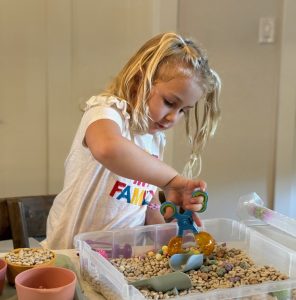
One of the most effective parent child bonding activities is also one of the simplest: dedicated, undivided time where your child leads.
Set aside time once or twice a day (even just 10-15 minutes) where your child has your complete attention. Let them choose the activity. Turn off your phone. Get on their level. Be fully present.
Having time they can count on each day helps them feel secure and valued. It’s like an emotional piggy bank. These deposits reduce the likelihood of them “withdrawing” attention through challenging behaviors later.
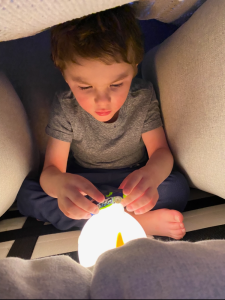
When to do this: The first few minutes of their day and the last moments before bed are especially powerful times to bond. Morning connection sets the tone for their whole day. Bedtime connection helps them feel safe and secure as they fall asleep.

What this actually looks like:
- Morning: Cuddles and singing before getting dressed (5 to 10 minutes)
- After school: Their choice of activity before homework starts (15 minutes)
- Before dinner: Building blocks on the kitchen floor while you prep (10 minutes)
- Bedtime: Extra story time and back scratches (10 to 15 minutes)
You’re not adding hours to your day. You’re making the minutes you already have count more.
Connection Through Joyful Moments
Some of the best parent child bonding activities aren’t activities at all. They’re moments. Joyful, playful interactions build a strong bond and promote cooperation. Small moments of laughter, play, and joy help shift perspectives and strengthen your relationship.
You don’t need elaborate plans. Silly faces while brushing teeth works. Dancing in the kitchen during dinner prep works. Tickle fights before bath time work. Making up ridiculous songs about putting on shoes works.
These tiny moments of shared joy matter more than you think. Your child will remember laughing with you far longer than they’ll remember whether the house was clean.
Stop the Power Struggles. Start Building Connection.
The Tantrum Tamer App helps you replace battles with cooperation—using expert tools that calm meltdowns, smooth transitions, and strengthen your bond with your child.
Transform tough moments into teachable ones. Download Today!
Simple Daily Connection Strategies
Want to know how to bond with your child without overhauling your entire routine? Try these approaches:
Use Eye Contact Intentionally
From an early age, eye contact builds trust and understanding. Start by making playful sounds while looking into their eyes. As they grow, encourage eye contact through fun activities like jumping while holding hands, which promotes empathy and social skills.
For older kids, eye contact during conversations shows them they matter. Put your phone down. Get on their level physically. Look at them when they’re telling you about their day (yes, even the fourth story about what happened at recess).
Soften Your Body and Voice
Here’s something simple that makes a surprising difference: relax your body and soften your gaze when engaging with your child. A gentle demeanor can make them feel more secure and loved.
Notice what happens when you:
- Drop your shoulders
- Soften your face
- Speak more gently
- Move a little slower
Your child reads your body language constantly. When you soften, they feel safer. When they feel safer, they connect more easily.
Shift Your Perspective
Remind yourself that your child is unique and a gift. This perspective can help you respond with more love, patience, and understanding, especially when they’re acting out because they’re in need of connection.
When your preschooler is melting down over the “wrong” cup, it’s hard to feel grateful. But thinking “this little person needs my help regulating right now” changes how you respond and helps you strengthen parent child bond. Connection first, correction later.
Teaching Relationship Skills Through Your Example
Your child is always watching how you navigate relationships. These practices help you model healthy connection:
Practice Gratitude Together
Demonstrate gratitude in daily life, and encourage your child to join in. Saying “thank you” and expressing appreciation help children feel valued and contribute to a sense of well-being.
Make it part of dinner or bedtime: everyone shares one thing they’re grateful for. No pressure for profound answers. “I’m grateful for mac and cheese” absolutely counts.
Show Grace and Forgiveness
Showing grace and forgiveness toward others allows you and your child to cultivate a positive attitude, build resilience, and reduce resentment. This skill is foundational for healthy relationships throughout life.
And when you mess up with your child (because you will), own it. “I shouldn’t have yelled. I was frustrated about something else, but that wasn’t fair to you. I’m sorry.” This teaches them that relationships can be repaired.
Connection Resources That Help
Daily Cheer Cards
Dr. Jean’s Cheer Cards offer a simple way to incorporate positivity. Pick a daily cheer together to celebrate your child’s accomplishments or as positive reinforcement. It takes 30 seconds and kids absolutely love it.
I Love You Rituals
Becky A. Bailey’s “I Love You Rituals – Specific activities that reduce power struggles, reinforce your bond, promote language development, and improve attention span. These playful moments can also reduce power struggles by helping your child feel loved and valued.
These aren’t complicated activities. They’re simple games and songs that strengthen attachment. They’re quick, fun, and surprisingly powerful.
Under
Learning
Looking for more structured parent child bonding activities? These tools can strengthen parent child bond through intentional, playful activities:
Navigating the Hard Moments
Sometimes parent child bonding activities are the last thing you have energy for. Here’s what helps:
When You're Running on Empty
Give yourself permission to do less. Five minutes of fully present connection beats 30 minutes of distracted togetherness. Sit on the couch and let them play with your hair. Lie on the floor and let them climb on you. Sometimes just being physically present is enough.
When You Have Multiple Children
You don’t have to split yourself equally every single day. Rotate one-on-one time throughout the week. One child gets to stay up 15 minutes later (that’s their special time). Take one kid on errands solo. Small windows of individual attention make a difference.
When Your Child Wants Screens, Not You
Start where they are. Don’t try to eliminate screens cold turkey. Instead, watch with them first. Then suggest: “After this episode, let’s play with your stuffed animals for 10 minutes.” Trade screen time for parent child bonding activities gradually. Make the connection activities appealing by being engaged and playful yourself.
When Your Child Pushes You Away
Some kids need space when they’re upset. That’s okay. You can stay nearby without hovering: “I’m right here when you’re ready for a hug.” Your presence communicates safety even when they don’t want closeness in that moment.
Connection Ideas by Age
Parent child bonding activities look different at every stage. Here’s what works for each age:
Infants (0 to 12 months): ✓ Lots of eye contact during caregiving routines ✓ Talking and singing to them constantly ✓ Getting on the floor for tummy time together ✓ Responding to their cues quickly
Toddlers (1-3 years): ✓ Following their lead during play ✓ Dancing and singing together ✓ Reading favorite books repeatedly ✓ Naming their emotions: “You’re so frustrated right now”
Preschoolers (3-5 years): ✓ Pretend play together ✓ Asking about their day with specific questions ✓ Simple cooking projects together ✓ Making up stories collaboratively
School-age (6-12 years): ✓ Playing their favorite games ✓ Asking their opinions and actually listening ✓ Working on hobbies side-by-side ✓ Special one-on-one outings
Your Questions About Connection Answered
What if my job keeps me away from my child most of the day?
Make your bookends sacred. Morning and bedtime become your connection windows when work takes the middle of the day. Weekend one-on-one time matters even more. Some working parents do “special Saturday breakfast” or have a weekly activity with each child. Even with limited time, parent child bonding activities can happen in small, meaningful moments. Quality really does outweigh quantity here.
How can I tell if my child feels connected to me?
Connected children generally cooperate more readily, come to you for comfort, share their thoughts with you, and show affection (in their own way, not all kids are huggers). But every child expresses connection differently. Some show love by wanting to help you. Others show it by playing near you. Trust your gut. You know your child’s love language.
What if connection feels forced or fake?
Start small and simple. You don’t have to suddenly become the most playful parent ever. Pick one tiny parent child bonding activity: hugs when they wake up, songs during getting dressed, or five minutes of their choice activity before bed. Do that one thing consistently until it feels natural. Then add more.
Parent Child Bonding: What Matters Most
Simple acts like a hug, a smile, or a word of encouragement can make children feel profoundly loved and secure. Connecting with your child through these small yet impactful actions can have a lasting positive effect on your relationship and their development.
The parent child bonding activities shared here don’t need to be elaborate or time-consuming. However, by focusing on intentional, positive moments together (even just a few minutes a day), you nurture a strong, resilient bond that supports your child in building healthy self-regulation and emotional well-being.
You’re already doing more than you realize. The fact that you’re reading this shows you care deeply. Now just take one idea from this post and try it tomorrow. That’s enough. You’ve got this.
Helpful Resources
For more information on building connections and a positive approach to discipline:
- Eye contact is a powerful tool to building connection with your child, check out our blog Guide to Parent Child Bonding Through Eye Contact, to find out more.
- The book, Easy to Love, Difficult to Discipline by Becky A. Bailey – Comprehensive connection strategies for challenging moments
- The book, If I Have to Tell You One More Time…: The Revolutionary Program That Gets Your Kids To Listen Without Nagging, Reminding, or Yelling by Amy McCready is a great resource on positive parenting.
For more information on improving Self-Regulation Skills in children, check out my blog Play-Based Self-Regulation Activities: Age-by-Age Play Guide
Also see below for more related Blogs!
– Kendra
Note to Parents
This blog is for informational purposes and not medical advice. My desire is to help you do what you can to support your child’s development in a natural way. Please reach out to your child’s pediatrician if you have developmental concerns.