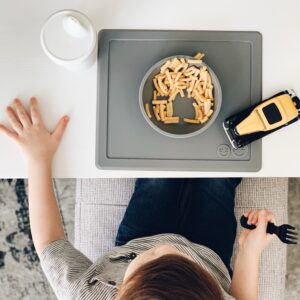

Dear parents of picky eaters, I see you. If you’re searching for picky eating help, you’ve probably lived through that look of disgust on your precious child’s face after spending an hour preparing a nutritious meal. I understand the frustration, disappointment, and worry that follows. First, take a deep breath. You’re not alone in this daily mealtime battle.
As a speech-language pathologist who specializes in feeding, I need to tell you something: picky eating isn’t a reflection of your parenting. Children develop food preferences for countless reasons, including sensory sensitivities, a natural desire for control, or simply their developing taste buds. Your child isn’t trying to make your life difficult. They’re navigating their own relationship with food.
This Season is Temporary
Remember that this phase, though seemingly endless, is temporary. The child who refuses anything green today might someday request seconds of broccoli. I’ve seen it happen more times than I can count in my years working with families.
Progress happens in tiny steps. Maybe they’ll touch the food first, then smell it, then finally take that miraculous tiny bite. Each of these moments is actually a significant developmental milestone in their feeding journey, even when it doesn’t feel like it in the moment.
Celebrate Small Mealtime Victories
Celebrate these small victories, because they truly matter. Did they try a new food, even if they immediately spit it out? That’s progress. Their sensory system is learning and adapting. Did they sit at the table without complaining? Victory! Did they watch you eat something new without gagging? Another win.
These moments might seem insignificant, but they’re building blocks. Each exposure, each positive mealtime experience, is shaping your child’s relationship with food for years to come.

Keep Offering Without Pressure
Research shows children often need to be exposed to a food 15-20 times (sometimes more!) before accepting it. Yes, you read that right. Twenty times of seeing, smelling, or touching a food before they even consider putting it in their mouth.
Your persistence is planting seeds for healthier eating habits, even when immediate results are invisible. Keep offering variety without pressure. The key word there is “without pressure.” When mealtimes become battlegrounds, everyone loses.
If mealtimes are wearing you down, know that this is one of the most common challenges parents face. You’re in good company.
You're Not Failing
Most importantly, be gentle with yourself. Parenting is challenging enough without food battles adding stress to your day. You’re doing your best to nourish your child’s body and their relationship with food. That commitment alone makes you an excellent parent.
Food struggles are common, and they don’t mean you’re doing something wrong. Some children are naturally more cautious with food. Some have sensory sensitivities that make certain textures or tastes overwhelming. These are neurological differences, not defiance.
When to Seek Picky Eating Help
While most picky eating is a normal phase, sometimes professional support makes a real difference. Consider connecting with a feeding therapist if:
- Your child eats fewer than 20 different foods
- They have severe reactions to new foods (gagging, vomiting, crying)
- They avoid entire food groups
- They’re losing weight or not growing as expected
- Anxiety around food is affecting the whole family’s wellbeing
There’s no shame in asking for help. In fact, seeking support early is one of the bravest things you can do as a parent. Resources exist because this is hard, and you don’t have to figure it out alone.
Moving Forward Together
As you navigate this journey with your child, remember to breathe. Take the pressure off yourself and off your little one. Food is meant to nourish and bring joy, not create daily stress.
Your child will learn to eat. They will expand their diet. The timeline might not match your expectations or your neighbor’s experience, but they will get there. You’ll get through this season too.
With patience, persistence, and compassion (for both your child and yourself)
– Ali, a fellow traveler on the picky eating journey
P.S. If you’re feeling overwhelmed and need picky eating help, know that support is available. Whether it’s connecting with other parents who understand, reaching out to a feeding specialist, or simply giving yourself permission to serve the same safe foods for a week, you’re doing what you need to do to care for your family. That’s enough.
Related Resources:
For more guidance on creating peaceful mealtimes, check out Reduce Mealtime Battles: Division of Responsibility Guide.
If you’re wondering whether your child’s eating is typical, When Should You Seek Help for Feeding Challenges (6-36 months)? can help you decide.
And for tips on making mealtimes calmer for everyone, read Gentle Mealtime Tips: Stress-Free Toddler Feeding Guide.
Also check out our blogs below on picky eating.
Note to Parents
This blog is for informational purposes and not medical advice. My desire is to help you do what you can to support your child’s development in a natural way. Please reach out to your child’s pediatrician if you have developmental concerns.